Living the Olympic Valley Ski Condos Lifestyle Year-Round
February 5, 2026
February 5, 2026
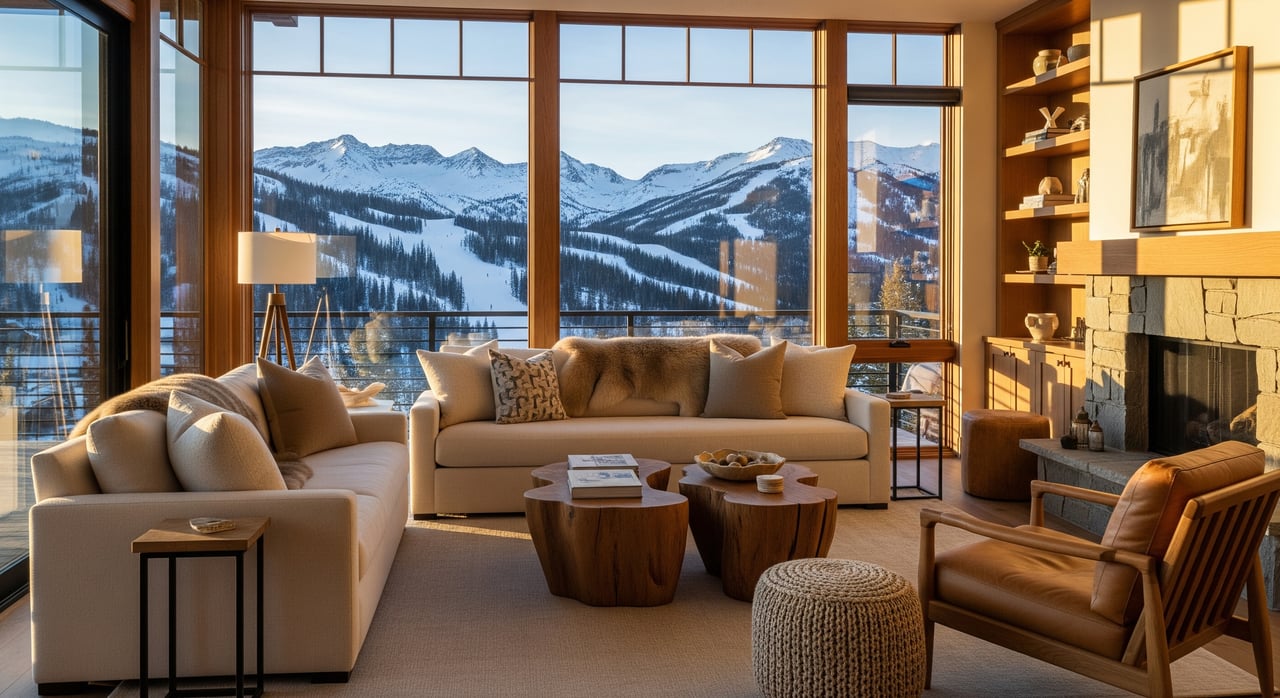
Coffee at dawn. Fresh snow stacking on the railing. Skis waiting by the door and a short walk or shuttle to the first chair. If you’re considering a ski condo in Olympic Valley, you probably want that kind of morning. You also want to know how the lifestyle works, what HOAs cover, how rentals operate, and which details to check before you buy. In this guide, you’ll get a clear picture of day-to-day living, seasonal rhythms, costs, rules, and smart buyer tips tailored to Palisades Tahoe. Let’s dive in.
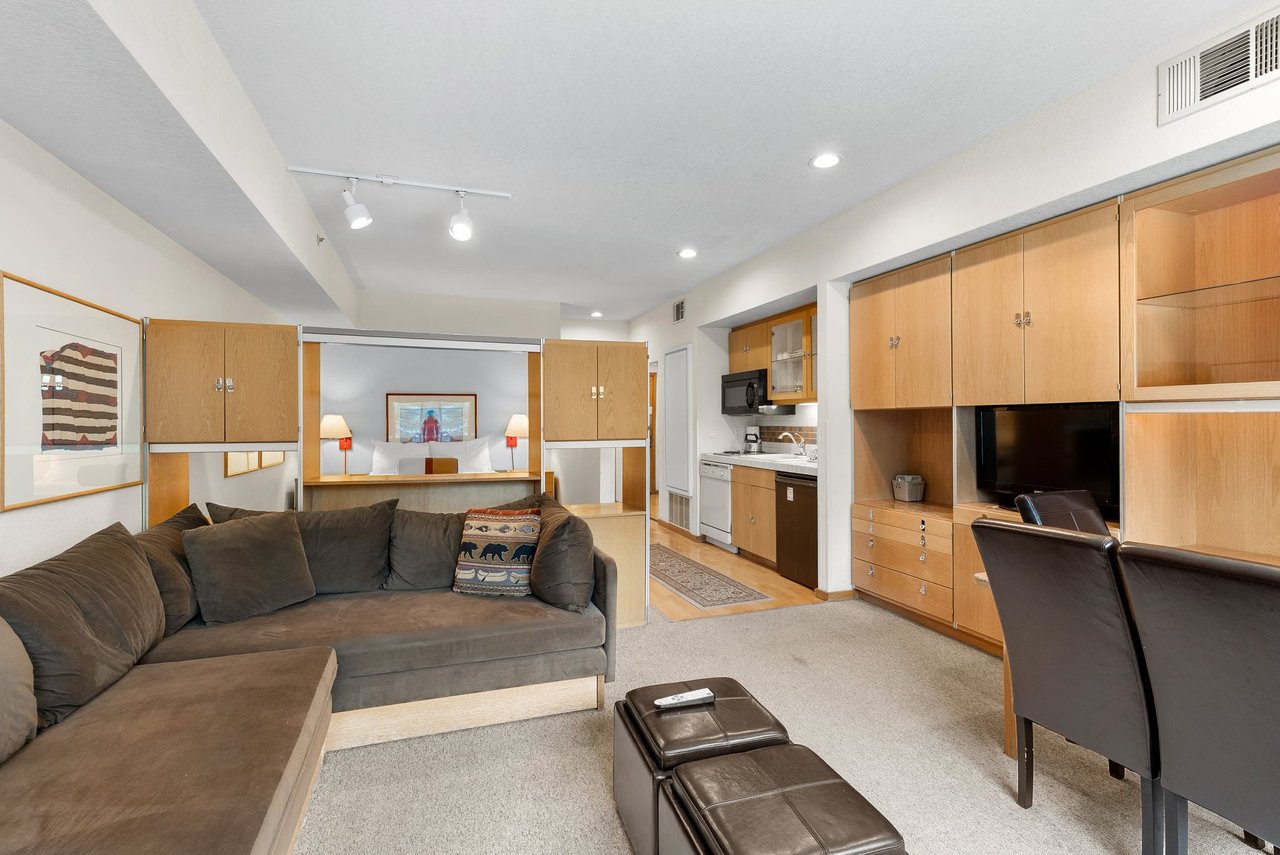
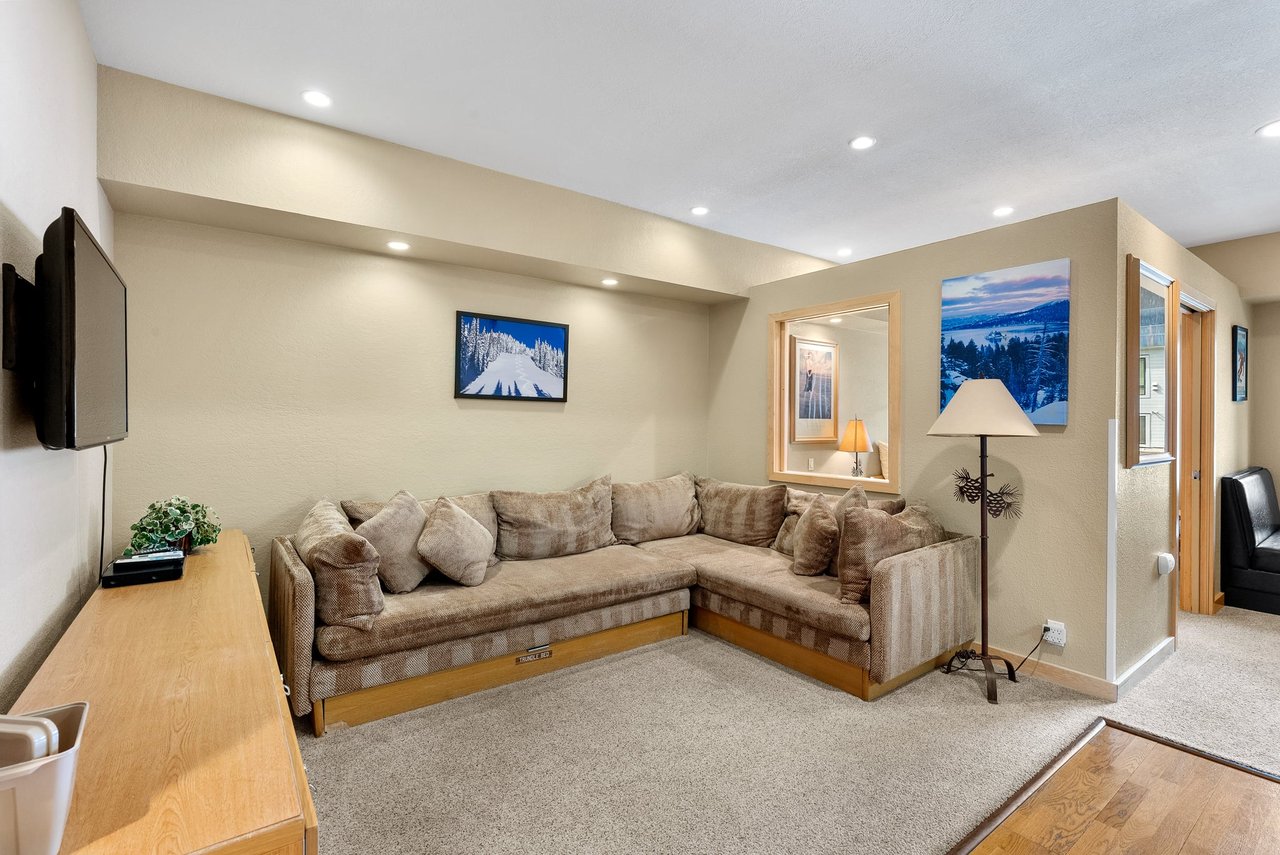
Compact and efficient, studios and one-bedrooms are popular with weekenders and investors. You’ll often find gas fireplaces, ski lockers, and easy access to village amenities. These units are typically simpler to maintain and can be easier to rent in peak seasons if the HOA allows short-term rentals.
If you host family or friends, a 2–3 bedroom layout offers more storage, living space, and flexibility. Expect higher utility use in winter and more surfaces to maintain. Many mid-size condos include covered parking options, shared hot tubs or saunas, and upgraded kitchens or baths in renovated units.
Top-tier penthouses or townhome-style condos near lifts prioritize convenience and views. Buildings near the Village often feature elevators, heated common areas, and year-round pools. Roof design and snow load capacity matter in older and newer buildings alike, so review recent roof and deck work during due diligence.
A typical powder day starts early. You gear up, stash boots in a locker or heated mudroom, and head toward the Palisades Tahoe lifts. After skiing, you drop gear, warm up by the fireplace, and walk to dinner in the Village. Expect peak-week traffic, busier restaurants, and full parking during holidays.
Village life centers on a compact core with eateries, markets, and gear shops. For wider services and medical care, you’ll head to nearby Truckee or Tahoe City. For resort happenings and seasonal programs, explore the official site for Palisades Tahoe.
Summer brings hiking, trail running, mountain biking, concerts, and festivals. You’ll see more lake days and extended stays, with strong visitor interest on warm weekends. Spring and fall calm down and are ideal for maintenance, small renovations, and budget-friendly personal use.
Regional travel depends on weather. Reno-Tahoe International is the closest major airport. Winter storms can trigger chain controls and road closures, so plan travel windows and keep chains handy. For live highway conditions and chain requirements, use Caltrans QuickMap chain control.
Parking can be tight during holidays. Many HOAs handle plowing of common areas, while you clear your own assigned space as needed. If a building has an elevator, check maintenance records since access matters when snow piles up.
HOA dues typically cover common-area maintenance, snow removal, insurance for shared structures, reserves, and sometimes water or sewer. Buildings with more amenities usually have higher dues. Always confirm what your dues include, how parking is assigned, and the location of ski lockers in relation to lifts or shuttles.
Short-term rentals are regulated by Placer County, and many HOAs add their own rules. County requirements may include registration, transient occupancy tax, and nuisance standards. Your HOA may set minimum stays, owner-occupancy limits, or rental caps. Review both county guidance and your specific building’s CC&Rs and rental policies on the Placer County site, then verify with the HOA manager before you buy.
California property tax is roughly 1 percent of assessed value plus local assessments. Exact rates vary by parcel, so confirm details with the county. Start with the Placer County Assessor and Tax Collector pages and review any special assessments or bonds that apply to the complex.
Insurance needs to match the setting. Your policy should complement the HOA’s master insurance and account for wildfire, smoke, and possibly earthquakes. Some carriers limit coverage in high-risk zones or price policies higher. For preparedness and home hardening guidance, review resources from Cal Fire. Environmental policies and watershed protections can influence building and maintenance plans, so it’s smart to be familiar with the Tahoe Regional Planning Agency.
Utilities can vary by building. Confirm whether water and sewer are included in dues, which internet providers serve the complex, and typical winter energy costs. Cell coverage can be spotty in parts of the valley, so test service in and around the building.
Snow country ownership has a rhythm. Roof snow and ice dam management, proper unit winterization between visits, and careful moisture control are part of life. If your unit has a woodstove or fireplace, confirm compliance with local rules and your insurer’s requirements. For older buildings, ask about recent capital projects and reserve studies covering roofs, decks, siding, and elevators.
Match your goals to a unit type. Studios and one-bedrooms favor quick trips and rental ease. Two to three bedrooms support family stays. Prime ski-in, ski-out options maximize convenience but may come with higher dues and premiums.
Before you write an offer, verify the following:
Owning in Olympic Valley is about access and confidence. You want timely intel on building health, rental feasibility, and early access to scarce inventory near the lifts. Tahoe Prime offers boutique, concierge representation with on-site presence at Palisades Tahoe Lodge and curated early-access funnels to help you move first on the right unit. If you’re weighing options or want a clear plan for purchase, rental, and ownership, connect with Jovanah McKinney to map your next steps.


SERHANT. Lake Tahoe
SERHANT. Lake Tahoe
SERHANT. Lake Tahoe
An expert who brings unmatched insight and dedication to every transaction in the best markets.