What Sets West Shore Lake Tahoe Luxury Homes Apart?
May 7, 2026
May 7, 2026
If you have ever looked at a West Shore lakefront and thought, this feels different, you are not imagining it. Some properties offer more than square footage or a prestigious address. They hold a rare mix of shoreline access, privacy, history, and year-round lifestyle that is increasingly hard to recreate. If you are trying to understand what truly makes a West Shore lakefront feel like a legacy property, this guide will help you see the difference. Let’s dive in.
On Tahoe’s West Shore, “legacy lakefront” is not a formal property type. It is better understood as luxury-market shorthand for a property with qualities that are difficult to duplicate. In many cases, the land itself is the true asset.
That scarcity is easy to understand when you look at the shoreline as a whole. Lake Tahoe has 72 miles of shoreline, and the Tahoe Regional Planning Agency says 34 shoreline miles are public today. On the California West Shore corridor along Highway 89, that leaves a limited number of private lakefront settings, especially those with strong water access and a natural, open feel.
West Shore lakefront value is also shaped by regulation, not just location. TRPA updated its Shoreline Plan in 2018 after a long moratorium on new structures, and new piers and moorings now go through separate allocation processes, including a pier lottery every two years and a mooring lottery every year.
For you as a buyer or owner, that matters because features that already exist can be far more valuable than features you hope to add later. When shoreline improvements are limited and heavily reviewed, the difference between an existing asset and a future possibility becomes significant.
A true legacy lakefront is usually defined first by its setting. The most memorable properties tend to combine shoreline position, usable frontage, privacy, and a close relationship to the lake’s natural edge.
On the West Shore, the homes that endure are not always the largest. Often, they are the ones that bring together the hardest-to-recreate site traits in one place.
One of the first things that separates an ordinary lakefront from a legacy one is orientation. A parcel with broad open-water exposure can feel more expansive and more connected to Tahoe’s landscape than a home with a tighter or more obstructed outlook.
View corridors also matter because scenic standards are part of the ownership experience here. TRPA identifies shoreline parcels and trails as scenic resource areas, and visible structures are expected to blend with the natural environment. That means the best sites often balance views, privacy, and a shoreline edge that still feels authentic to the setting.
Not all lakefront frontage lives the same way. On the West Shore, a legacy-caliber property often offers not only lake frontage, but frontage you can meaningfully use, whether that means a beach, a protected cove, or an existing permitted shoreline feature.
This is where practical lifestyle value meets long-term rarity. A home may have a beautiful structure, but if the shoreline experience is limited, it may not carry the same lasting appeal as a parcel with a stronger connection to the water.
Existing access rights can be one of the clearest markers of legacy value. A legal pier, mooring, or other established boat-adjacent relationship can give a property a major advantage over a similar home that would need to compete for future shoreline capacity.
Because new shoreline access is not simple to add, existing water access can shape both everyday enjoyment and long-term desirability. In a market defined by scarcity, features that are already in place tend to stand apart.
The West Shore feels distinct partly because of how residential areas sit alongside state parks and Forest Service land. That pattern creates pockets where homes can feel more buffered, more private, and less crowded than other shoreline environments.
For many buyers, that is central to the idea of legacy. The premium is not just about having a home on the lake. It is about having a setting that still feels calm, protected, and deeply tied to the natural landscape.
In the El Dorado County stretch of the West Shore, locations near D.L. Bliss, Sugar Pine Point, Meeks Bay, and Emerald Bay often benefit from preserved surroundings. These public-land anchors help protect view corridors and contribute to a shoreline experience that can feel larger and more open than the lot lines alone suggest.
That does not mean every nearby parcel is the same. It means adjacency to preserved land can strengthen what buyers often want most: breathing room, visual openness, and a stronger sense of place.
Legacy status on the West Shore is not just about geography. Architectural character also plays a major role, especially when a home reflects the shoreline’s history and material palette rather than competing with it.
On this side of Tahoe, that character can show up in very different ways. Some properties lean historic and estate-like, while others interpret mountain luxury through newer custom design.
Sugar Pine Point State Park offers one of the clearest examples of the West Shore’s historic estate tradition. The park includes nearly 2 miles of lake frontage and the Hellman-Ehrman Mansion, also known as Pine Lodge, a summer home built in 1903. California State Parks describes it as a Shingle Style California Craftsman home built largely of native materials.
Nearby Emerald Bay adds another architectural reference point. Vikingsholm, built as a summer home in the late 1920s, is described by California State Parks as one of the finest examples of Scandinavian architecture in the Western Hemisphere. These places help define the visual and cultural memory of the West Shore.
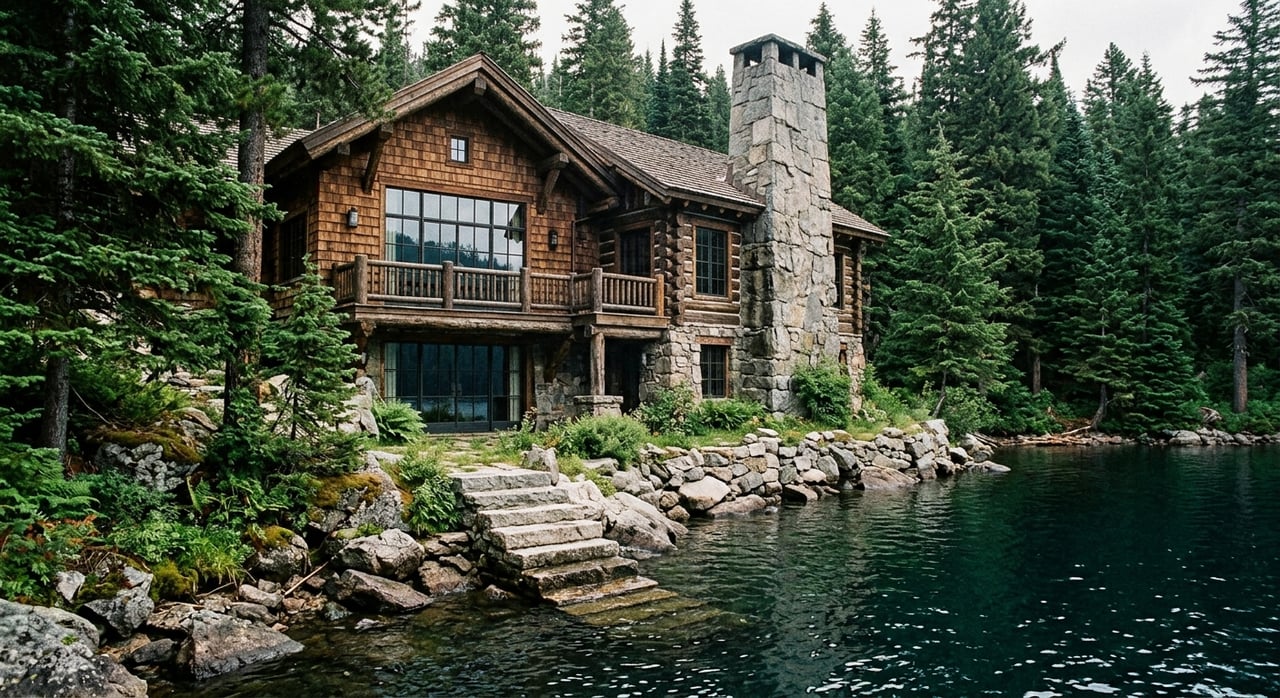
Not every legacy-caliber lakefront is historic. The West Shore also includes newer luxury homes that take cues from the landscape through timber, stone, and restrained design.
A 2022 local feature on a Meeks Bay lakefront described a 2012 custom home that paired classic timber-frame styling with modern technology. That blend reflects a broader pattern you see in strong West Shore design: newer homes often feel most enduring when they echo the land rather than dominate it.
Some of what gives the West Shore its lasting appeal cannot be measured in a floor plan. Meeks Bay Resort and Marina operates on National Forest land under a special-use permit by the Washoe Tribe of California and Nevada, and the site describes Meeks Bay as a gathering place with heritage rooted in ancestral Washoe lands.
For you as a buyer, that adds depth to the setting. It reinforces that a property here is part of a place with long human history, not just a scenic viewpoint.
A legacy lakefront should do more than look beautiful in summer. On the West Shore, the strongest properties pair rarity with ease of living across seasons.
That practical side matters because a home that supports boating, trail access, gatherings, and winter recreation often becomes more than a retreat. It becomes a place families return to year after year.
Meeks Bay Resort and Marina offers a boat ramp, water-sport facilities, and day-use beach access. Chambers Landing is also accessible by land or water and is known for its waterfront setting and pier access.
For nearby owners, these kinds of waterfront nodes can add convenience to boating, guest arrivals, and summer recreation. In lifestyle terms, that can make a property feel more complete without requiring you to leave the West Shore corridor.
The West Shore also stands out for its recreation network. D.L. Bliss State Park offers access to Lester Beach, Calawee Cove, the Rubicon Trail, the Lighthouse Trail, and the Balancing Rock Trail. The Rubicon Trail around Emerald Bay includes four main access points and 7.4 miles of moderate-to-strenuous hiking with lake views.
Farther north, Meeks Bay Trail follows Meeks Creek toward Desolation Wilderness. Sugar Pine Point also supports winter use, with more than 20 kilometers of marked cross-country ski trails. Together, those features make the West Shore feel active and relevant well beyond peak summer.
The broader access story is still improving. TRPA and partner agencies are advancing the next phase of the West Shore Tahoe Trail, with a planned segment focused on the 6.5-mile stretch from Meeks Bay to D.L. Bliss.
That effort is designed to connect West Shore communities, major recreation anchors, and larger active-transportation links between Tahoe City and Camp Richardson. For owners, this kind of infrastructure can strengthen the long-term usability and appeal of the corridor.
The phrase “legacy lakefront” ultimately comes down to one idea: some properties are so hard to replace that they are built to keep, not just to trade. On the West Shore, that usually means a rare shoreline position, meaningful water access, scenic protection, privacy, and architectural character all working together.
Add in four-season recreation, nearby public land, and a setting with real historical depth, and you get a property that offers more than luxury. You get a place that can hold memories, support traditions, and remain relevant across generations.
If you are evaluating a West Shore lakefront, it helps to look past surface-level finishes and ask a deeper question: what here would be hardest to recreate today? In many cases, that answer will tell you whether you are looking at a beautiful house or a true legacy asset.
When you want clear, local guidance on West Shore lakefront opportunities, off-market possibilities, or how to evaluate a shoreline property through both a lifestyle and long-term value lens, connect with Jovanah McKinney.
Market Updates
Real Estate
Real Estate
Real Estate
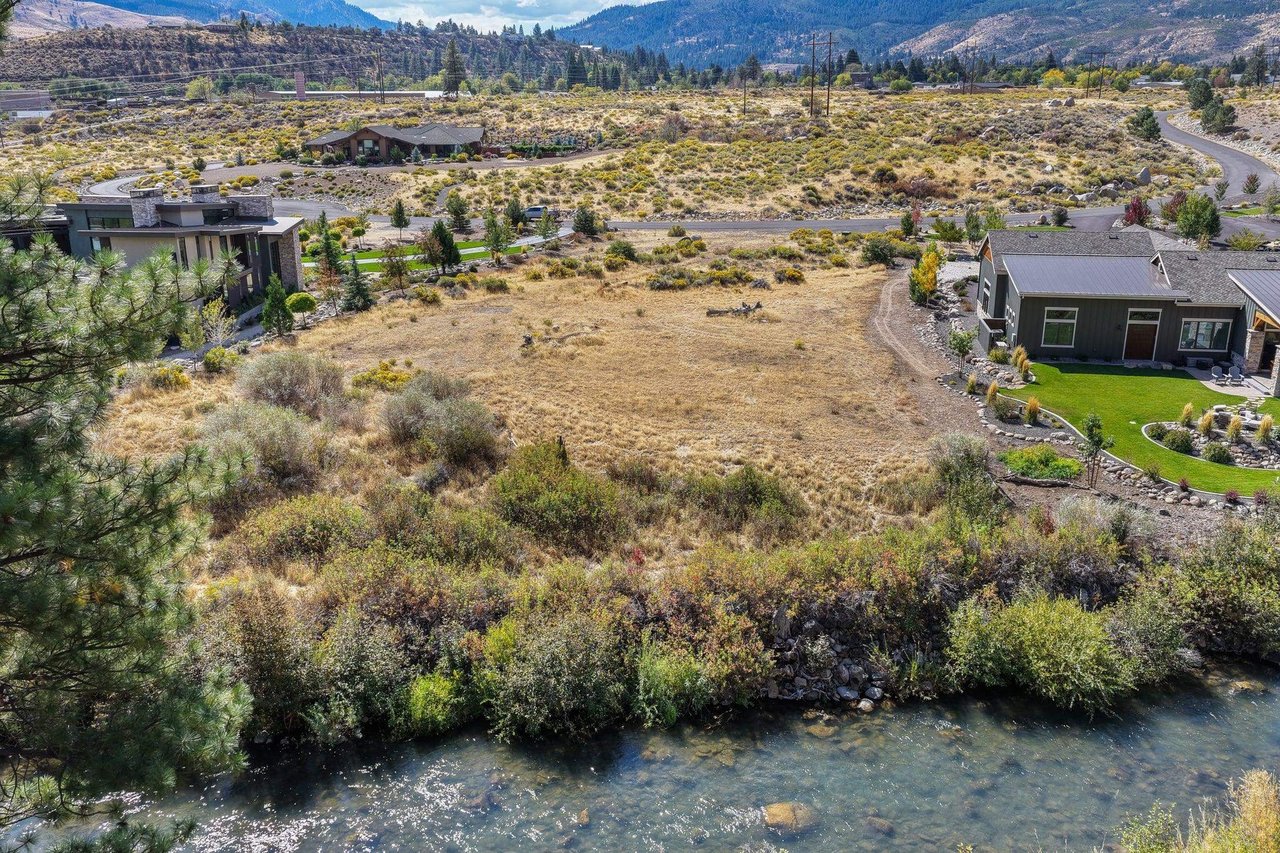
A rare canvas along the Truckee River
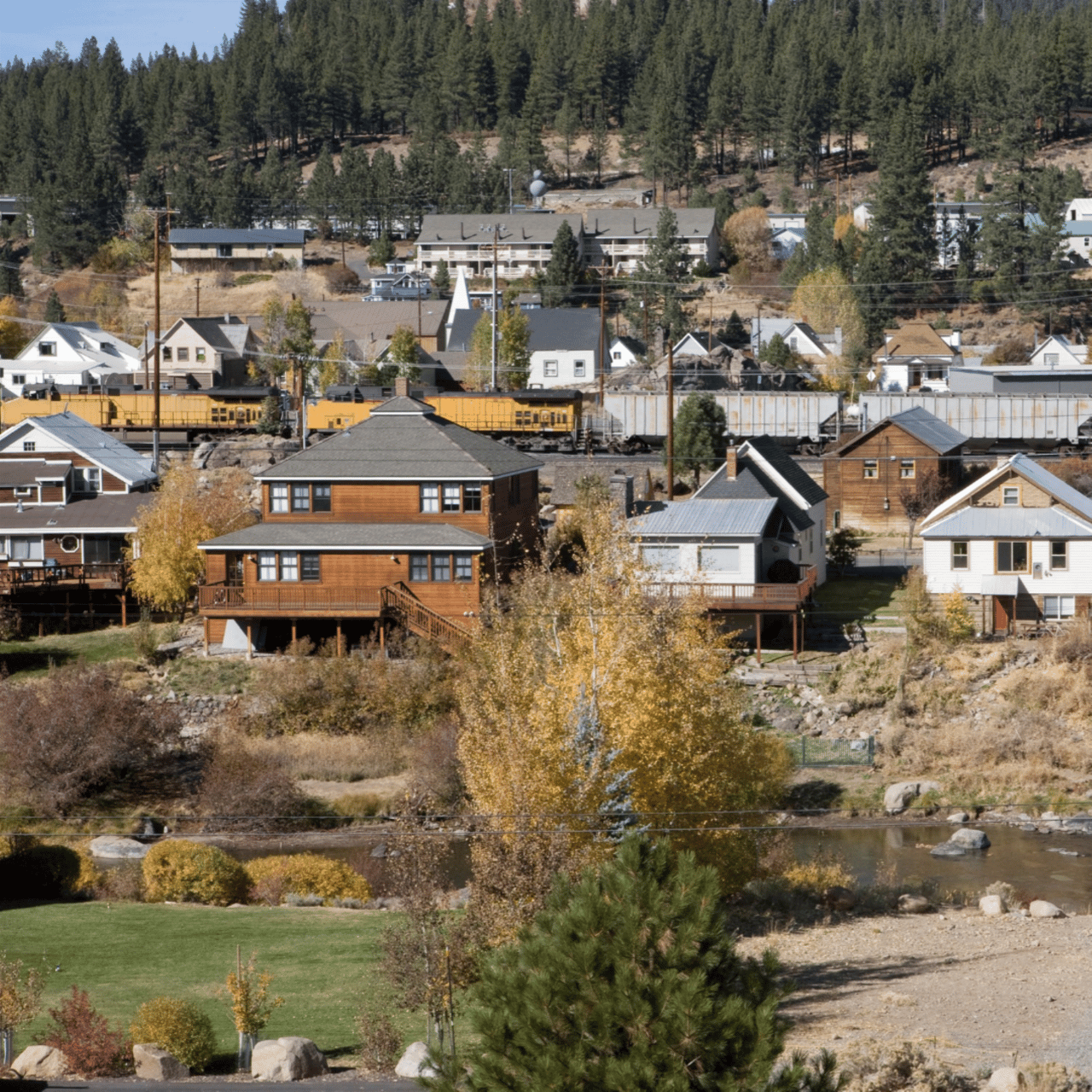
What makes downtown Truckee's walkable core a draw for buyers, and what to weigh against newer construction
Real Estate
Real Estate
An expert who brings unmatched insight and dedication to every transaction in the best markets.